A Glimpse into the Digital Future
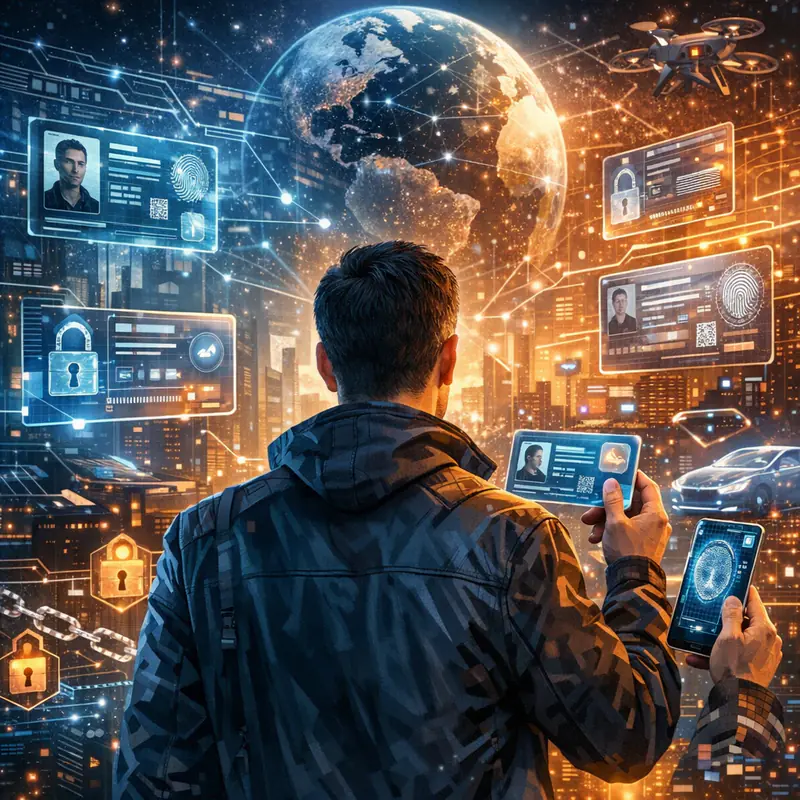
As we catapult into the digital epoch, the contours of our existence morph to accommodate this rapid evolution. One such transformation that's on the horizon is the concept of digital licenses. The days of physical cards nestling in our wallets are numbered, making way for an intangible yet equally valid form of identification. Envision this scenario: You saunter into a bar, eschewing the need to rummage through your bag for your driver's license, you effortlessly present your digital license via your smartphone. This concept, seemingly borrowed from a futuristic narrative, is perched on the precipice of becoming our tangible reality by 2026.
The metamorphosis towards digital licenses is fueled by the unyielding momentum towards digitalization, intertwined with an escalating demand for efficiency and security. It's an organic progression in an era where our quotidian activities are increasingly shifting online, spanning from banking to shopping to communication. Digital licenses are projected to provide more secure, convenient, and adaptable solutions, tailored to our fast paced, digital centric lifestyles.
Security Enhancements and Fraud Prevention
One of the primary merits of digital licenses resides in their potential to bolster security and fraud prevention. A challenging to, duplicate digital format could act as a deterrent to identity theft, given the intricate encryption techniques and biometric data typically associated with these formats. Visualize a digital license that employs facial recognition or fingerprint scanning to authenticate the owner's identity, rendering it exceedingly difficult for unauthorized usage.
Furthermore, digital licenses could be instantaneously updated or revoked if required, providing an additional safeguard against misuse. In the event of theft or loss, users could promptly report their license missing and have it deactivated, effectively neutralizing the risk of it falling into nefarious hands.
The Convenience of Digital Licenses
The convenience factor of having a digital license at one's disposal is immense. No longer will there be the anxiety of forgetting your driver's license at home or misplacing it. As long as you possess your smartphone, you'll have your license at your fingertips. This could also declutter the lives of individuals who juggle multiple forms of identification, such as driver's licenses, ID cards, and passports.
In addition, digital licenses could offer a streamlined process for renewals and updates. Instead of enduring long queues at the DMV or mailing in forms, users could potentially update their information or renew their license directly through a dedicated app.
Challenges and Concerns
Despite the clear advantages, the shift to digital licenses does not come without its share of challenges. Privacy concerns are at the top of this list. With personal information housed digitally, the risk of data breaches escalates, necessitating stringent measures to ensure data security and protect user privacy.
Then, we grapple with the issue of accessibility. Not everyone is equipped with a smartphone or is adept at using one. Ensuring that digital licenses are accessible to all, regardless of their technological acumen, will be a significant hurdle to surmount.
Conclusion
The transition to digital licenses by 2026 is a clear testament to the digital revolution that's sweeping across our lives. With the potential for enhanced security, increased convenience, and streamlined processes, digital licenses could be a game changing innovation. However, the journey towards this digital future will necessitate careful navigation, with privacy and accessibility being paramount concerns. As we inch closer to this reality, it's crucial to stay informed and be prepared for the changes that lie ahead.
CATEGORY ASSIGNMENT: Technology